Variation

Description
Free Quality Tool Lesson!
In this module, you will learn to see and understand variation in healthcare processes.
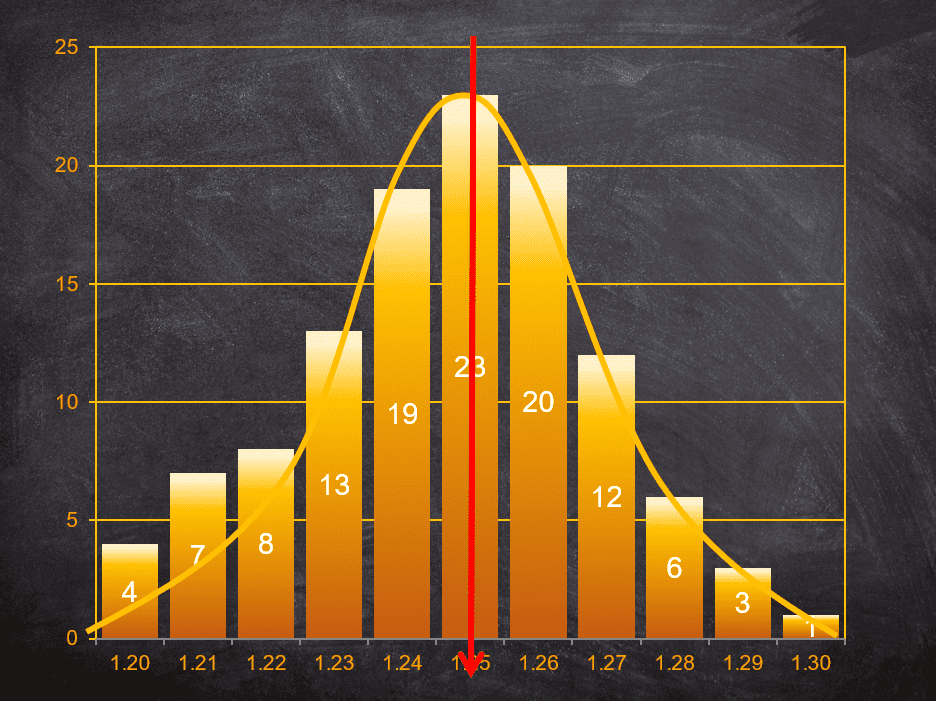
Understanding variation is critical to determining which of many possible responses are appropriate for resolving an issue. After you have completed this lesson, you will be able to identify the two main sources of variation in healthcare, will understand the distinctions between the two and will be able to detect special cause variation.
This lesson includes:
One 14 minute video
Course references can be accessed in the Materials tab at the top of this page.
References
Wheeler DJ. (2000) Understanding variation – the key to managing chaos. 2nd ed. Knoxville: SPC Press.
Anhøj, J., Wentzel-Larsen, T. (2018) Sense and sensibility: on the diagnostic value of control chart rules for detection of shifts in time series data. BMC Med Res Methodol 18, 100. https://doi.org/10.1186/s12874-018-0564-0
You must log in and have started this course to submit a review.
This course provides a comprehensive overview of the daily responsibilities and real-world experiences of a travel phlebotomist. Learners will explore the full scope of the role—from planning daily routes and adapting to diverse work environments to performing venipuncture in non-clinical settings and ensuring safe specimen transport. Emphasis is placed on patient interaction, independent practice, safety awareness, and professionalism. By the end of the course, students will be equipped with the practical knowledge and critical thinking skills needed to succeed in a mobile phlebotomy role.
Course Agenda: This Program Includes
✔ 6 Course Modules
Module 1: A Day in the Life
Module 2: Work Environment & Adaptability
Module 3: Patient Interaction & Communication
Module 4: Indépendance & Professional Responsibility
Module 5: Technical Skills in Mobil practice
Module 6: Travel Safety, and Field Changes
M
✔ Assignment –
Who Should Take This Course?
Learning Objectives
At the end of this course, you will be able to:
✔ Explain Lean principles, methodologies, and tools as they apply to clinical, administrative, and diagnostic healthcare workflows
✔ Apply Lean thinking to design a targeted improvement strategy within your healthcare or laboratory setting
✔ Plan and lead a 5S event, including preparation, implementation, and ongoing sustainment in a clinical environment
✔ Conduct a “Go and See” (Gemba) observation to uncover inefficiencies and identify opportunities for improving patient care and workflow
✔ Analyze waste and variation using a current-state value stream map to improve flow and reduce delays
✔ Apply the A3 problem-solving approach, understanding its structure and use in healthcare decision-making
✔ Plan and facilitate a Kaizen event, including defining objectives, engaging teams, and achieving measurable outcomes
This course equips you with practical Lean tools and techniques to drive continuous improvement, enhance efficiency, and improve patient outcomes across healthcare settings.
